Influence Profile
No genre data available
Genre information will appear here once available
Trending in Kumar Sanu’s World
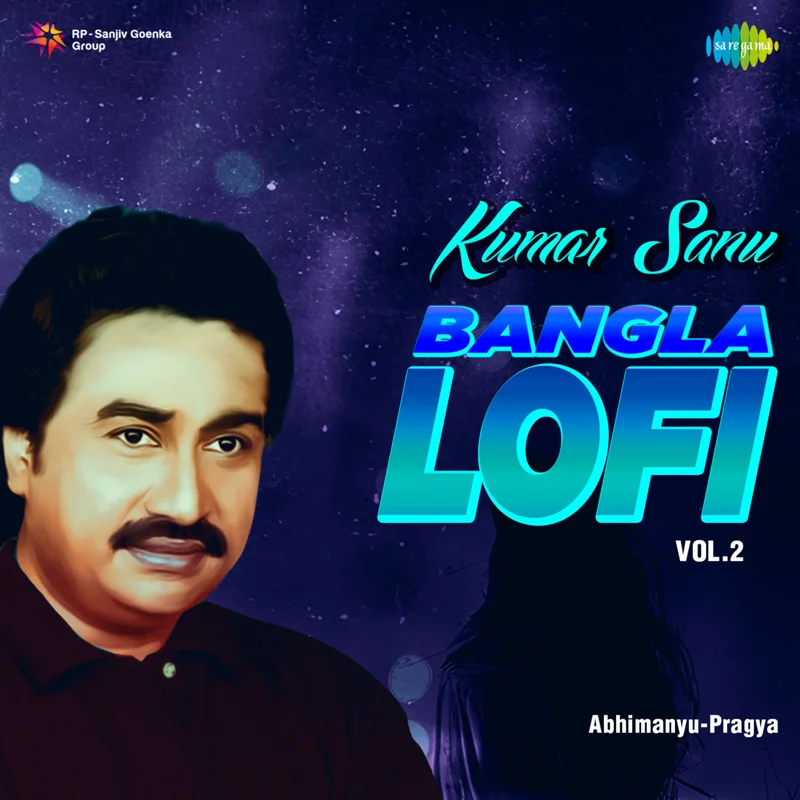
Trending Globally
No trending songs available.
Album
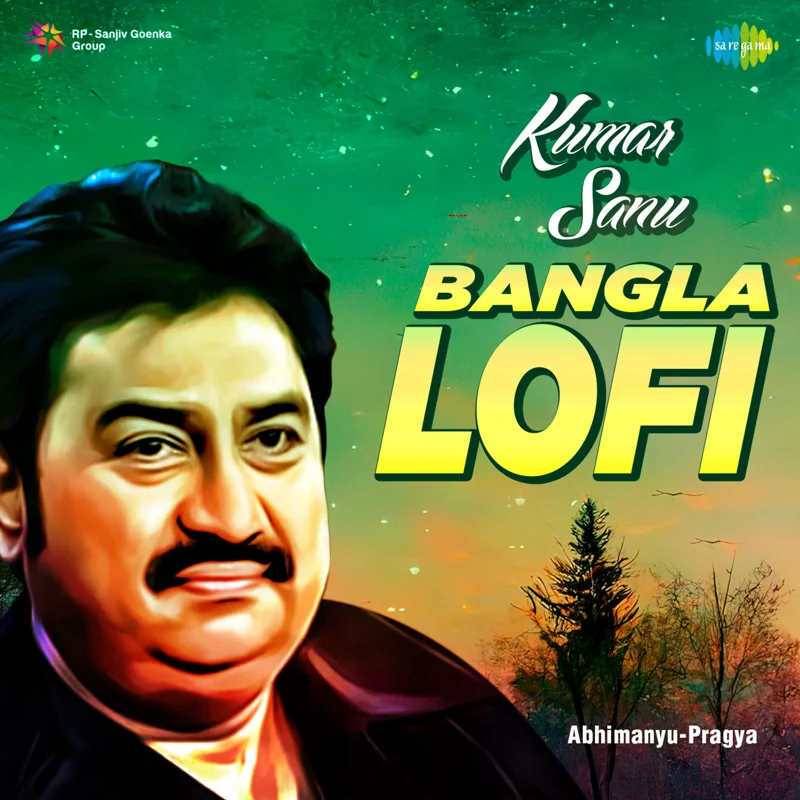




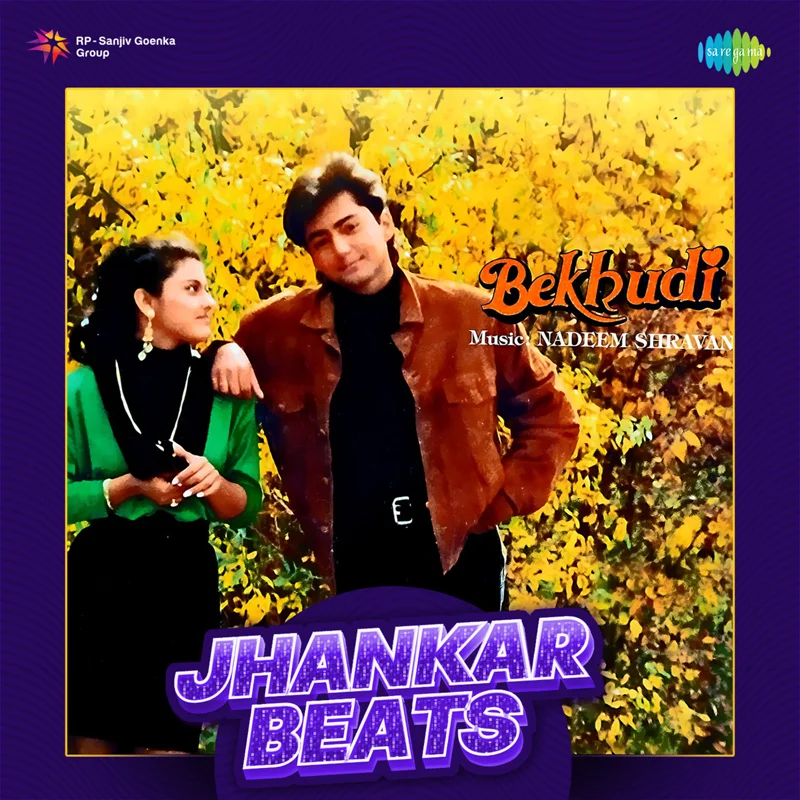
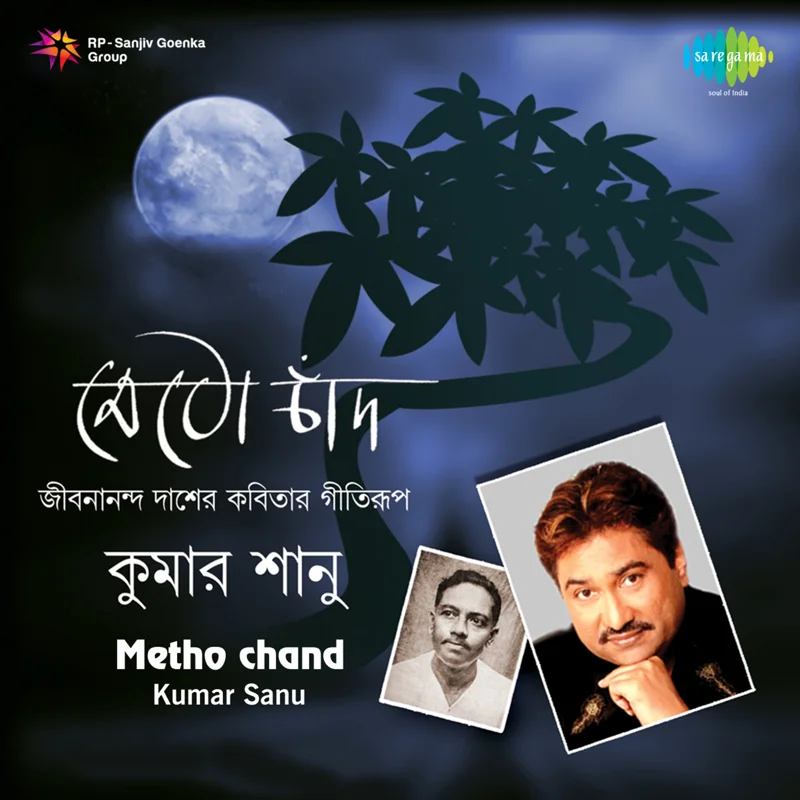



Story
Quick Facts
Born
1957
1957
From
India
India
Journey
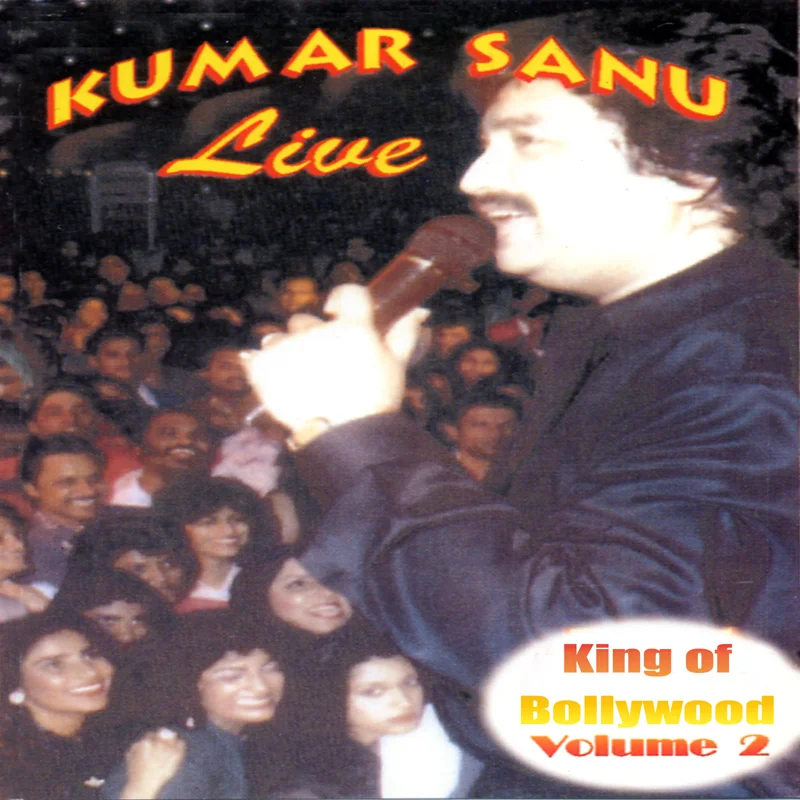
Indian playback singer Kumar Sanu was born Kedarnath Bhattacharya in Calcutta, West Bengal. Growing up in a household centered on music, he received early vocal training from his father, composer Pashupati Bhattacharya. While completing his education, Sanu gained experience through live stage shows and initial recording gigs, which eventually paved his way into mainstream Hindi film soundtracks during the 1990s.
Sanu initially worked under his birth name and recorded for Bengali and other regional productions before gaining an important opportunity through singer Jagjit Singh. After moving to Bombay, he came into contact with composer Kalyanji, who encouraged him to adopt the professional name Kumar Sanu, reflecting the influence of Kishore Kumar on his early singing style. His work with Kalyanji-Anandji opened the door to further Hindi-film assignments.
His decisive breakthrough arrived with "Aashiqui" in 1990. Composed by Nadeem-Shravan, the soundtrack placed Sanu's voice on almost every male solo and turned him into a major playback singer almost overnight. The success continued through films such as "Saajan," "Deewana," "Baazigar," "1942: A Love Story," "Dilwale Dulhania Le Jayenge," and "Pardes." His recordings became an important part of the romantic Hindi-film repertoire of the decade.
Between 1990 and 1994, Sanu won the Filmfare Award for Best Male Playback Singer five consecutive times. His winning songs included “Ab Tere Bin,” “Mera Dil Bhi Kitna Pagal Hai,” “Sochenge Tumhe Pyaar,” “Yeh Kaali Kaali Aankhen” and “Ek Ladki Ko Dekha.” This run established one of the most notable award records of his career.
Sanu also set a Guinness World Record in 1993 after recording 28 songs in a single day, an achievement that reflected the extraordinary demand for his voice during the peak of his career. His repertoire eventually extended beyond Hindi into several Indian languages, including Bengali, Marathi, Nepali, Assamese, Bhojpuri, Gujarati, Punjabi, Odia, Tamil, Telugu, Kannada and Malayalam.
In 2009, the Government of India awarded Sanu the Padma Shri for his contribution to music. He has continued performing, recording and appearing in television and music-related projects, maintaining a career that stretches across several decades. His legacy is particularly associated with the melody-driven Hindi cinema of the 1990s, when his voice became a defining presence across some of the period's most commercially successful film soundtracks.